
ARTICLE
ANDRITZ Mill-wide Optimization
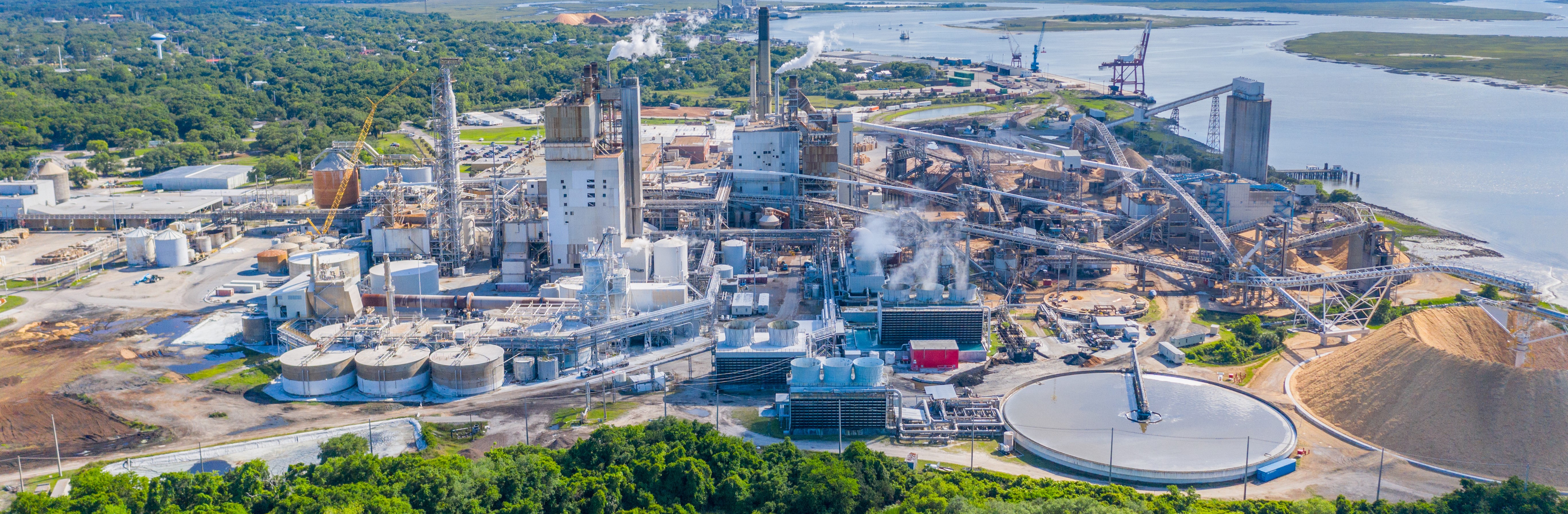
Plant-wide optimization solutions
The ultimate goal of any overall optimization is to reach target values for key product properties with the lowest possible production cost:
-
Mill-wide production rate and inventory management
Production is measured as accurately as possible from multiple points, starting from the exact dry wood mass flow to the digester. This will make it possible to control processes much more accurately and to avoid production upsets caused by poor measurements.
-
Quality controls and cost optimization
When unit processes are optimized, we can use process tests and analytical tools to find optimum production targets for the whole mill. It also needs to consider raw materials, requirements for different grades, production limitations, energy and chemical costs. With this iterative search, the overall strategy will be customized for the mill.
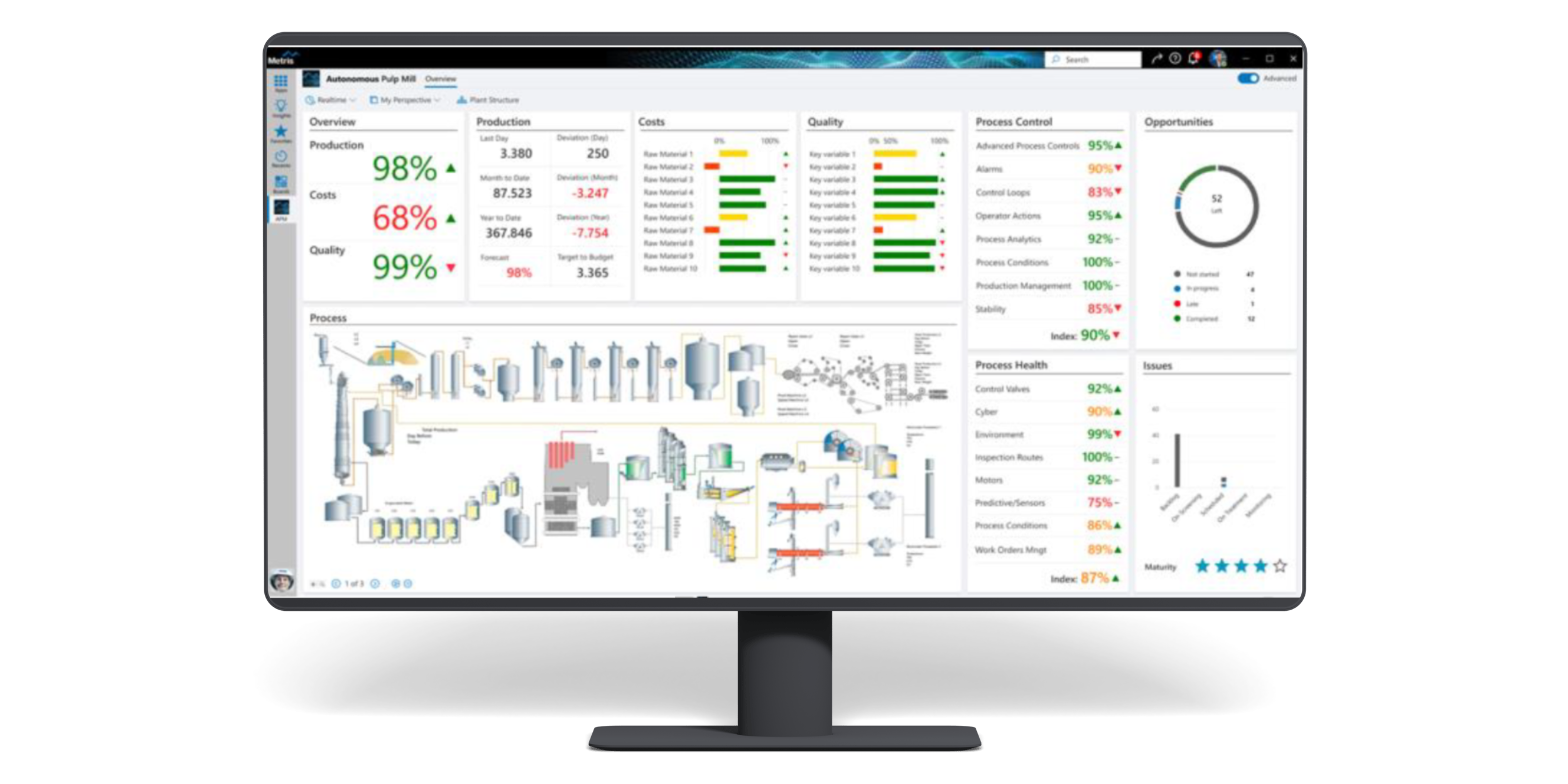
Mill-wide Optimization Dashboard / © ANDRITZ
This application also incorporates:
- The operator focusing on higher-level activities now.
- Metris intuitive views with production, costs, and quality KPIs to inform operators of key mil targets.
- Automation and Asset Reliability information summarized for direct interface with maintenance teams by operators.
- Dashboards informing the operators about opportunities to improve process performance
- Mobile applications to visualize information from and on the field.
- High-level plant operation dashboard
- Immediate identification of area-by-area constraints & operating modes.
Examples of Mill-Optimized Plants:
- The woodyard and digester are optimized so that it will maximize the yield considering cost and process constraints on the downstream processes.
- This will also give alkali and steam savings from the digester and typically maximize the strength properties of the pulp.
- The washing area is optimizing the trade-off between bleaching chemicals and makeup costs and, on the other hand, energy usage on the recovery line.
- In bleaching and oxygen delignification, the optimal delignification and brightness profile is selected to minimize chemical costs and balance that to give the desired final properties for the product.
- Stock preparation and paper machines are focused on minimizing the cost that comes from refining energy, furnish blend cost, and basis weight.
